The History of the Bisht in Gulf Women’s Fashion
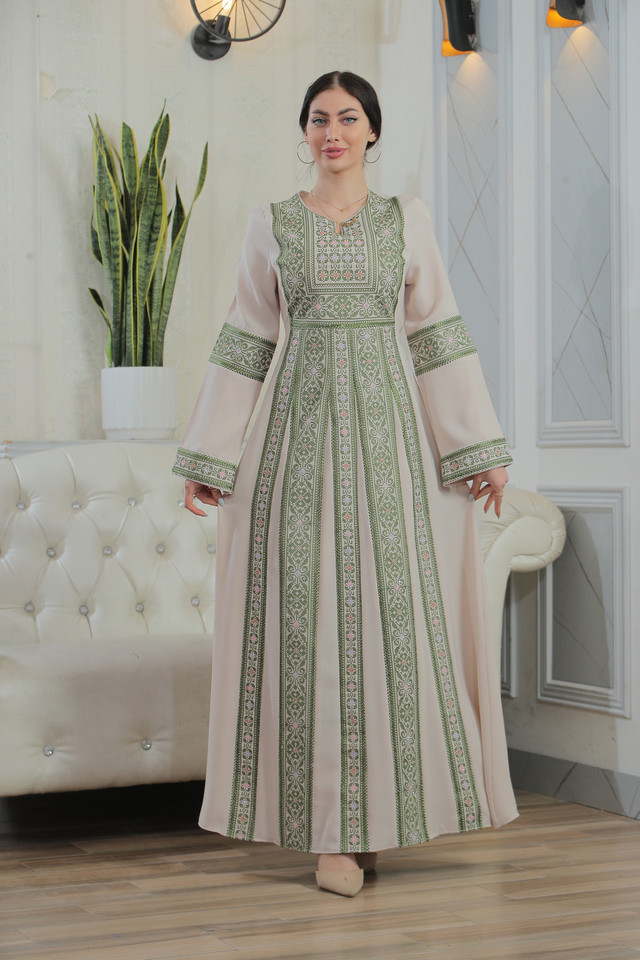
The bisht is one of the most recognizable garments in Gulf culture, long associated with honor, dignity, and formal presence. While it is often discussed in men’s fashion, the bisht has also held an important place in women’s ceremonial dress. For generations, Gulf women have worn bisht-style outer garments during weddings, major family gatherings, and cultural celebrations as a symbol of refinement and status.
Today, this heritage continues in modern women’s wardrobes, where the bisht has evolved into an elegant outer layer designed to complement contemporary dresses, thobes, and kaftans. At Debaj USA, we honor this tradition by offering refined bisht designs to women across the United States with fast nationwide shipping through our Women’s Bisht Collection.
Origins of the Bisht in Gulf Culture
Historically, the bisht developed as a ceremonial cloak worn by nobility, scholars, and respected members of society. In the Gulf, it became closely associated with special occasions rather than everyday wear. The garment’s loose structure allowed it to drape over existing clothing, creating a powerful yet graceful silhouette.
For women, bisht-inspired garments followed the same philosophy. They were not designed to replace the main outfit but to elevate it. Worn over long dresses or traditional garments, the bisht created an outer frame that communicated formality and respect. This is why it became a natural choice for weddings, engagement gatherings, and important family events.
How the Women’s Bisht Evolved
As women’s fashion developed in the Gulf, the bisht adapted to meet both cultural and aesthetic needs. While the core idea of a flowing outer layer remained, women’s bishts became lighter, more decorative, and more refined in cut. Fabrics such as crepe, nida, chiffon, and satin blends were introduced to create softness and movement while maintaining structure.
Modern bishts are defined by:
-
smooth drape rather than stiffness
-
clean stitching instead of heavy construction
-
decorative trims or embroidery used with restraint
-
comfort suitable for long formal events
This balance between tradition and wearability is what allows the bisht to remain relevant in modern Arab women’s fashion.
Our designs reflect this evolution through pieces such as the Flower Arabian Bisht, Saya Arabian Bisht, Shekha Elegant Arabian Bisht, and Dubai Elegant Arabian Bisht, each created to preserve the ceremonial nature of the garment while offering a lighter, more wearable silhouette.
The Role of the Bisht in Women’s Celebrations
In Gulf culture, clothing carries meaning. A bisht is not worn casually; it is chosen deliberately for moments that matter. Women traditionally wear bisht-style garments during weddings, formal visits, and major family gatherings as a sign of respect for the occasion.
The bisht’s purpose in these settings is not decoration alone. It creates a visual boundary between everyday wear and ceremonial dress. When layered over a thobe or kaftan, it signals that the wearer has entered a formal space. This is why pairing a bisht with styles from our Women’s Thobes or Women’s Kaftans continues to feel natural and culturally appropriate today.
Fabric, Craft, and Meaning
Historically, bishts were valued for the quality of their materials and the skill of their makers. While early versions used heavier wool or camel hair blends, women’s bishts gradually transitioned to lighter fabrics that suited indoor gatherings and warmer climates. Today, high-quality bishts rely on fabric selection and finishing rather than weight to express luxury.
Modern craftsmanship focuses on:
-
fabric that flows without clinging
-
seams that sit smoothly on the shoulders
-
embroidery that enhances rather than overwhelms
-
comfort that allows the garment to be worn for hours
Machine embroidery is now commonly used to achieve precise, long-lasting designs, while careful cutting and stitching ensure the bisht maintains its graceful shape. This same approach can be seen across our bisht designs and our thobe styles, including the Sultana Thobe, Yafa Classic Arabian Thobe, Signature Debaj Classic Arabian Thobe, and Satin Arabian Thobe, all created to balance structure with softness.
The Bisht in Modern Arabian Women’s Fashion
Today, the bisht is no longer limited to traditional settings. Women wear it at hotel weddings, formal receptions, and cultural events where elegance and modesty are equally valued. It is styled open for movement, belted for shape, or layered with accessories such as Belts, Shawls, or even Jackets for a more contemporary look.
This flexibility is what keeps the bisht relevant. It allows women to express cultural identity while embracing modern fashion. The garment remains rooted in history, yet it continues to adapt to new lifestyles and settings.
Bringing Gulf Heritage to Women in the USA
For many women living in the United States, finding authentic Arabian fashion has traditionally meant waiting for international shipments or relying on limited local options. Debaj USA was created to change that. As a premium brand now based in the USA, we make it easy to access refined bishts, thobes, and kaftans with fast nationwide delivery and carefully curated collections.
Our mission is to preserve the cultural significance of garments like the bisht while offering them in forms suited to modern women’s lives. Each piece reflects a connection between past and present, heritage and comfort, ceremony and style.
A Garment That Carries History
The bisht is more than fabric. It is a symbol of respect, celebration, and cultural continuity. From its origins in Gulf tradition to its place in modern women’s wardrobes, the bisht has remained a garment reserved for meaningful moments.
Whether layered over a thobe, paired with a kaftan, or styled as a statement piece, the bisht continues to express elegance through presence rather than excess. Through our Women’s Bisht Collection, along with our Women’s Thobes, Women’s Kaftans, and 3 Piece Sets, Debaj USA brings this heritage into the wardrobes of women across the country.
The history of the bisht lives on not only in museums or tradition, but in the way women continue to wear it today — with grace, intention, and pride.